


How JTF Gov cut first-reply times from 13 hours to under 5
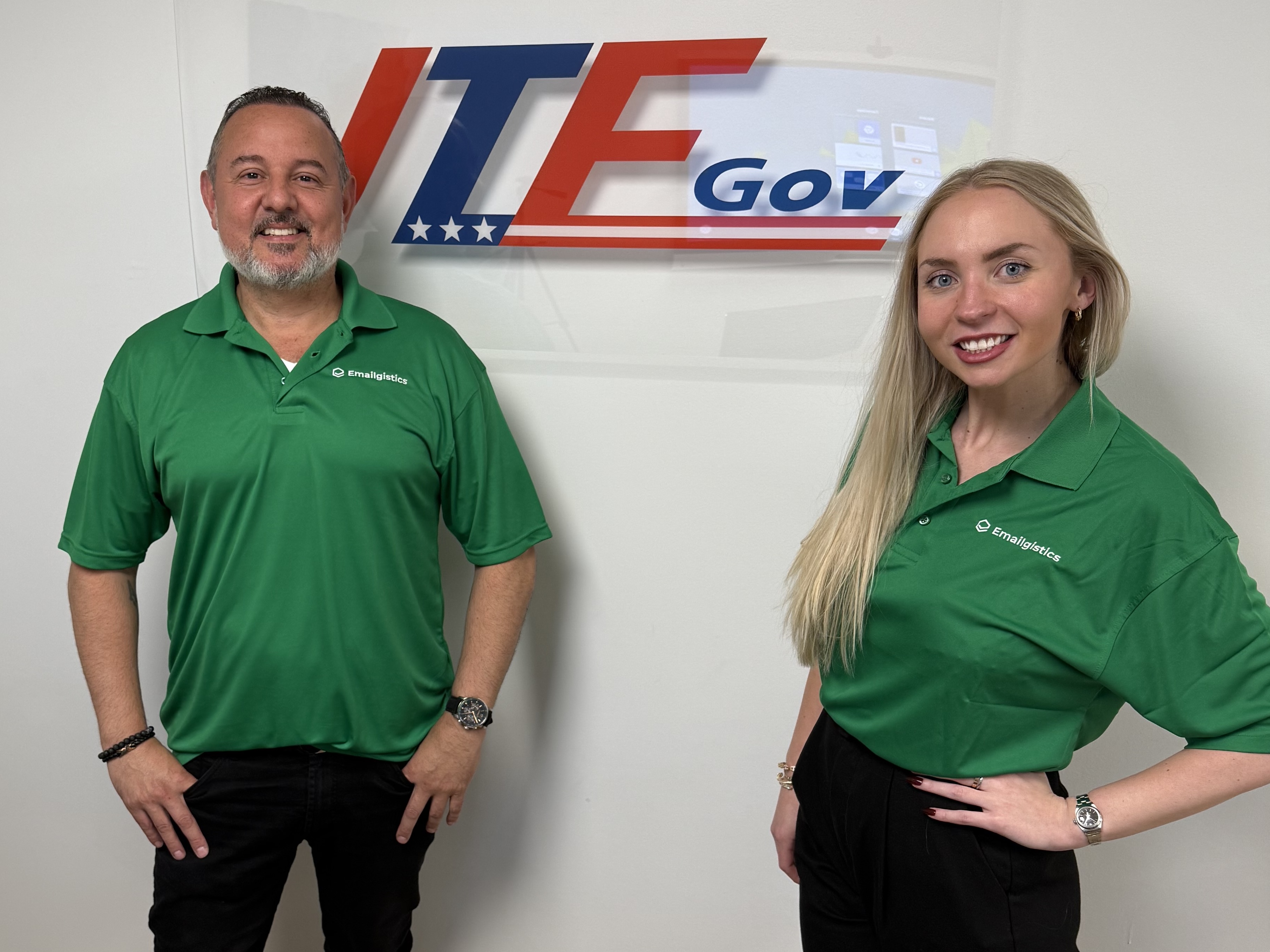
JTF Gov supplies office equipment and IT hardware, copiers, laptops, and the gear that keeps offices running, to government customers across the United States and overseas. Its service department is the front line of that work: dispatching technicians, ordering parts, and keeping jobs moving on schedule. Every one of those requests comes through a single shared email address staffed by a team of six.
Challenge
The volume was relentless. Over a recent 13-week stretch, the service address took in 21,162 emails, an average of 1,627 a week, with more than 1,000 active conversations open at any time and 600 to 800 brand-new ones arriving each week. The team sent 7,239 replies in that period.
The harder problem was that no one could tell, at a glance, what was handled and what was not. The address had been set up as a distribution list rather than a true shared mailbox, so every message hit everyone at once. Two people would reply to the same thread. Two people would order the same part. Requests slid under the pile and sat for a day or two before anyone opened a ticket. Mondays were the worst of it: the weekend's email stacked up, people picked the tickets they wanted, and urgency was a guess because nothing was assigned.
"It's been one or two days, the customer responds back to their initial request, and we never even submitted a ticket because it got lost in the shuffle of everything else that was going on." Daniel Garcia, Director of Service at JTF Gov
By the team's own account, they were reactive, overwhelmed, and short on structure. The only person who really felt accountable for whether anything got done was Daniel.
For a public-sector supplier, that inbox is not a side channel. It is where service requests come in, where technicians get dispatched, and where parts orders start. The stakes behind a missed email were concrete: a delayed technician visit, a duplicate part order that cost real money, and a customer left waiting and likely to escalate.
The model also did not scale. At more than 1,600 emails a week, manual triage ate hours the team did not have, and leadership had no objective way to see who was carrying what, where work was stalling, or whether the team was meeting its commitments. Decisions were based on anecdote, not data. JTF Gov needed ownership, visibility, and accountability, and it needed them without removing the team from the tools they already used.
Solution
JTF Gov tried to first solve the problem inside of Outlook. The team wrote rules to sort and route the service address, but because that address was a distribution list and not a shared mailbox, the rules produced duplicate emails in individual inboxes, and Outlook would lock up or crash under the load. The do-it-yourself fix created a second problem on top of the first.
So Emily Cross, Program Manager, went looking for a purpose-built tool. She found that most options solved one slice of the problem and charged for the rest, with each capability priced as a separate add-on. Then she came across Emailgistics one night on a Reddit thread, and it did the whole job inside Outlook, where her team already worked.
"It works with what we already have." Emily Cross, Program Manager
That was the deciding factor. The team did not have to move to a new app, retrain on a new interface, or stitch tools together. The structure, routing, and reporting lived where the work already lived.
Auto-routing and assignment ended the manual triage
Instead of six people scanning one shared pile, each message lands in a specific person's queue automatically, and workload stays balanced across the team even during peak periods. The Monday scramble of sorting, prioritizing, and avoiding duplicate work is gone. The backlog is organized and distributed before the team starts, so staff open their queue and go straight to solving customer problems.
"I like the auto routing because it takes away that decision fatigue of, oh, should I do this one, should I do that one? It just puts it in your mailbox." Emily Cross, Program Manager
SLA tracking and alerts moved management from reactive to proactive
The team watches how long each email has been sitting and how many each person is clearing. JTF Gov runs its dispatch console on a TV in the service department so the whole floor can see the oldest open conversation and who owns it. Supervisors catch an at-risk thread before it breaches its service level agreement (SLA), rather than finding out after a customer is already upset.
Clear ownership keeps complex conversations with one person through to resolution
With 600 to 800 new conversations a week, complex problems used to get buried under incoming traffic. Now a single owner stays on a conversation through resolution, so customers do not have to re-explain their situation to a new person each time. When something does slip, the conversation history shows exactly who did what, which is the change Daniel values most. Responsibility no longer sits with him alone. It sits with the person who owns that area. The availability setting backs this up: when someone is out, their mailbox can be switched off so messages route to whoever is actually working.
"Holding people accountable is the biggest thing. Now I can put the burden back on the employees that are in charge of those specific areas." Daniel Garcia, Director of Service at JTF Gov
Reporting and analytics gave leadership a real view of the work
For the first time, supervisors can see individual and team performance on objective data instead of anecdote, separate first-response activity from follow-up, and spot workload imbalances and coaching opportunities. Emailgistics also distinguishes mailbox response time from total customer wait time, which helps the team find the real bottlenecks rather than guessing.
"It's a dream, and it tracks pretty much everything that is important to us, our leadership, and the supervisors in order for us to be better." Emily Cross, Program Manager
Templates and AI summaries speed up the replies themselves
The team uses templates constantly for common responses, one of the fastest ways to shave minutes off every reply. And when a thread runs long, Daniel uses the AI summary to catch up on the whole conversation in seconds instead of scrolling back through every message before he answers.
Results
JTF Gov cut its average initial reply from 795 minutes, just over 13 hours, to 288 minutes, under 5 hours. That is a 63.7% reduction over 13 weeks.
In the first four weeks of rollout, the share of replies sent within SLA ran between 46% and 52%. As routing, workload visibility, and team adoption matured, that climbed to 69% in the most recent reporting week.
Open conversations in the dispatch console fell from more than 400 to about 125 as the team finally closed or followed up on threads that used to disappear. Automated assignment kept more than 1,000 active conversations a week balanced across six people and stopped individuals from being buried during surges.
The team is also candid that the reply-time number is conservative. Managers like Daniel still get pulled to other parts of the business, and not everyone is using the availability and break settings yet, so there is room for it to keep dropping.
"The product speaks for itself. I love it. I don't know how on Earth we operated this long without it." Daniel Garcia, Director of Service at JTF Gov
| Before Emailgistics | After 13 weeks | |
|---|---|---|
| Average initial reply time | 13.25 hours (795 min) | 4.8 hours (288 min) |
| Replies within SLA | ~46% | 69% |
| Open tickets in dispatch console | ~400 | ~125 |
| Email triage | Manual Monday sorting and cherry-picking | Backlog auto-routed before the team starts |
| Email ownership | Shared inbox, no clear owner | One owner per conversation, kept through resolution |
| Duplicated work | Common (double replies, double parts orders) | Reduced through single-owner assignment |
| Workload balance | Whoever grabbed it | Automated assignment across 1,000+ active conversations a week |
| Manager visibility | Anecdotal, after the fact | Real-time dashboards and lifecycle analytics |
Related posts
- How Canadian Tire seamlessly supports 570 retail locations
- Aviso boosts SLA success rate for multiple inboxes with Emailgistics
- How McNaughton-McKay eliminated missed customer emails with automation
- How Specsavers keeps ecommerce customer service consistent across two countries
- How Tsubaki's inside sales team gained speed, accountability, and a complete audit trail